

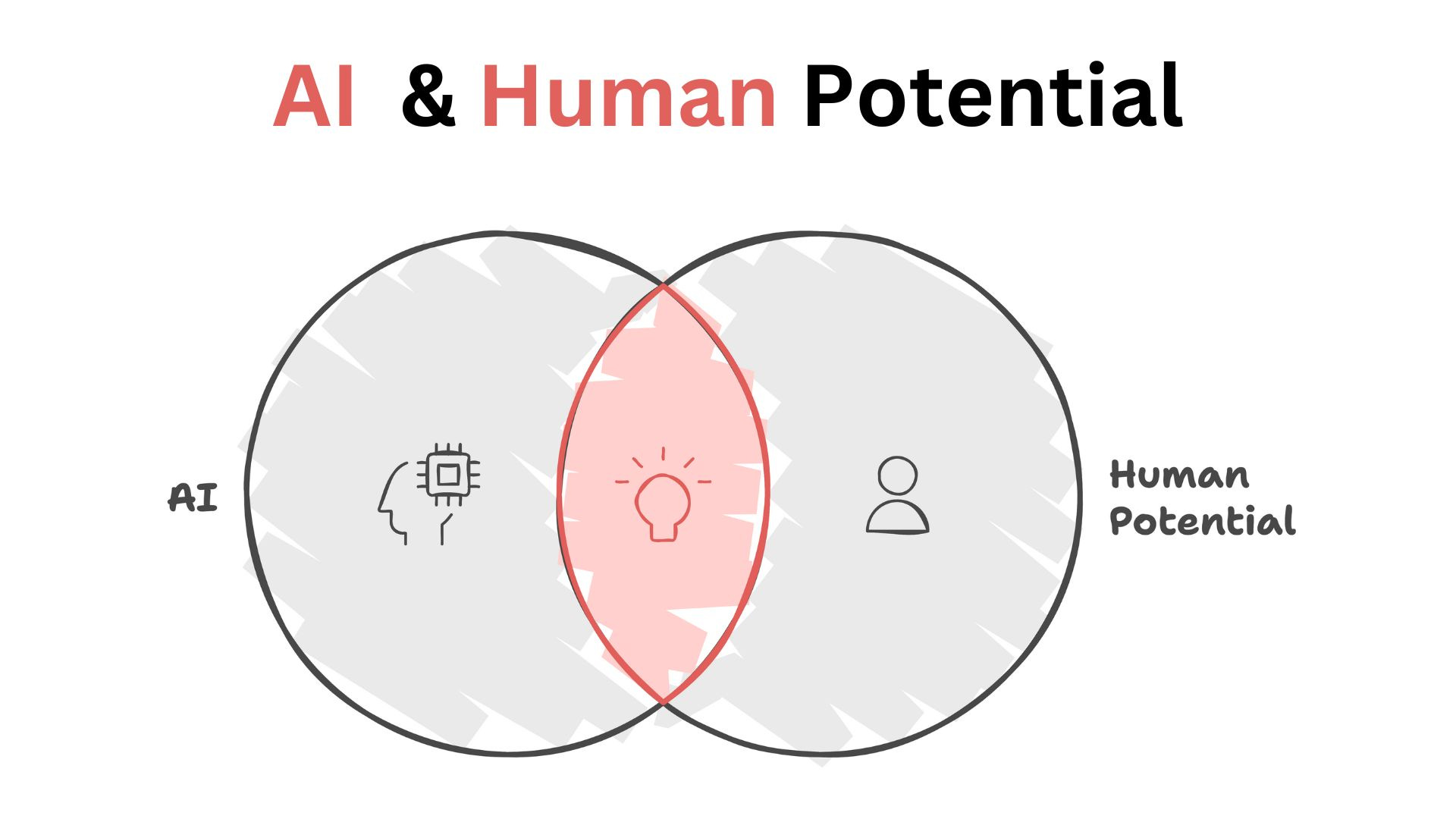
Hi Everyone!
I'm excited to share my recent reads with you that touch on AI, human potential, and what it really takes to innovate. When selecting books, I look for authors who bring fresh perspectives, offer in-depth expertise, and challenge the status quo. I also seek out books that not only inform but inspire—ones that make me think differently, push boundaries, and explore new ideas that have practical relevance.
Each of these books offers a unique perspective, making us question not only what AI can do but what we, as humans, are capable of. Let’s jump in!
1. The Singularity is Nearer by Ray Kurzweil
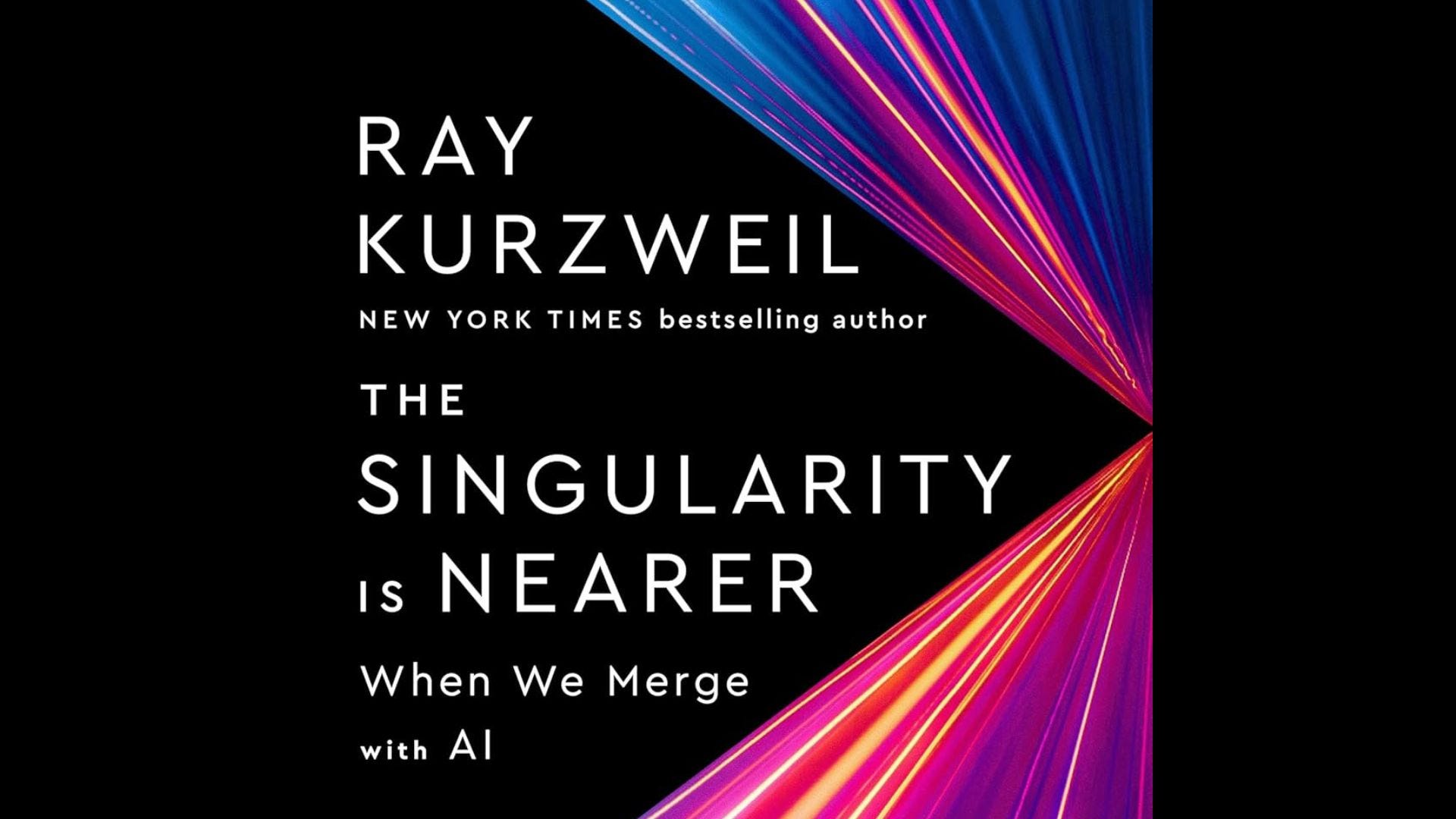
Bill Gates has said, “Ray Kurzweil is the best person I know at predicting the future of AI."
Ray Kurzweil is a prolific AI inventor, computer scientist, and futurist. He holds over 39 patents in fields ranging from optical character recognition (OCR) and speech synthesis to music technology and artificial intelligence.
If you're curious about the future of AI and want insights from a well-informed expert, not from someone with a casual understanding of AI then this book is for you.
This book explores the idea that humans and machines will eventually merge, allowing humans to transcend their biological limitations. This is what he means by the Singularity.
Kurzweil's predictions include:
AI will surpass human intelligence by the end of the decade
AI will become "superintelligent" in the 2030s
By 2045, humans will be able to directly connect their brains to AI
AI could enhance human consciousness, expanding self-awareness, empathy, and cognitive abilities, potentially redefining what it means to be alive.
While these predictions may seem overly optimistic or even scary, we’ve seen how rapidly AI can make quantum leaps—just as it did with generative AI in 2020.
Overall, his view of the future is optimistic, arguing that the Singularity will enable humans to transform life on Earth for the better.
Given the wealth of information in this book, I will do a deep dive into this book in my upcoming posts.
2. Moonshot: A NASA Astronaut’s Guide to Achieving the Impossible
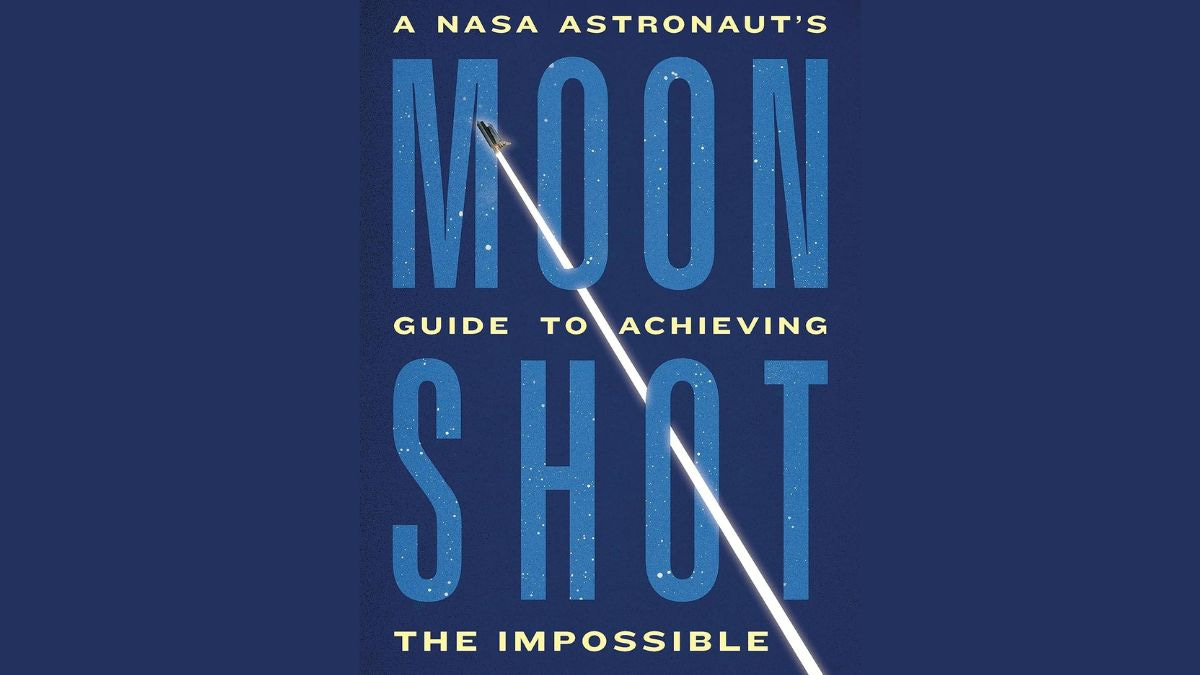
Reading this book was so inspirational and it’s really defining what it means to do the impossible in your life!
Mike Massimino is a distinguished former NASA astronaut and a professor of mechanical engineering at Columbia University. He dreamed of becoming an astronaut since he was six years old and pursued this goal relentlessly, despite having poor eyesight and a fear of heights.
In this book, he talks about how he overcame multiple rejection letters and numerous medical disqualifications from NASA.
One thing that amazed me—and didn’t think was possible—was how he overcame his medical disqualification by training his eyes and brain to improve his vision. He talks about how he worked with a specialized eye doctor for vision training, which allowed him to meet NASA's strict requirements and ultimately achieve his dream of becoming an astronaut.
If you're seeking a dose of inspiration, this book might be exactly what you need.
“Moonshot Thinking” isn’t just for astronauts; it’s a mindset anyone can apply to break new ground in their own life or field”
Massimino’s story is a reminder that “Moonshot Thinking” isn’t just for astronauts; it’s a mindset anyone can apply to break new ground in their own life or field. It’s a powerful book that encourages us to aim higher, regardless of the obstacles.
3. The Polymath: Unlocking the Power of Human Versatility
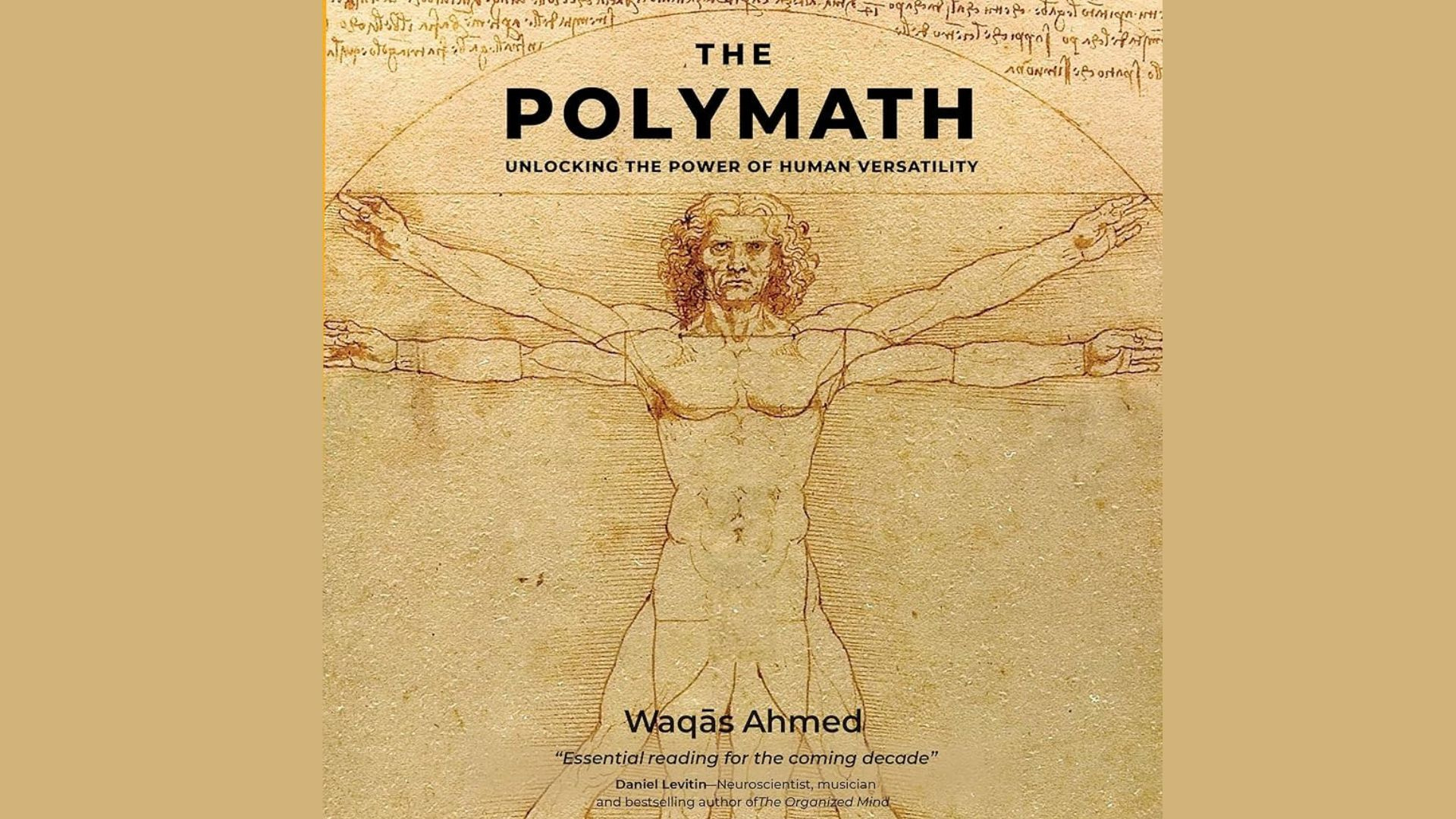
If you find yourself with multiple talents and passions, this book will resonate with you and bring a sense of peace. Your polymathic or multipotential nature is a blessing, not a curse—you just need to understand how to manage it. Once you do, you’ll be unstoppable!
I chose this book because many people aren’t familiar with what a polymath is or the value it brings. It challenges the widespread emphasis on specialization in our modern society. The author argues that focusing on one field or skill limits creativity, adaptability, and innovation.
“ Simply put, a polymath is an exceptionally versatile human who excels in multiple seemingly unrelated fields.”
Many people don’t realize that some of the most influential thinkers and Nobel Prize winners are polymaths, who draw from multiple fields to achieve groundbreaking insights. Here are some examples of modern-day polymaths.
Modern Day Polymaths:
Mae Jemison (Astronaut, Physician, Engineer, Educator)
Neri Oxman (Architect, Designer, Scientist, Engineer)
Martine Rothblatt (Lawyer, Bioethicist, Entrepreneur, Technologist)
Elon Musk (CEO, Engineer, Programmer, Inventor, Entrepreneur)
Nathan Myhrvold (CTO, Photographer, Chef, Inventor)
Jonny Kim (Navy SEAL, Math, Doctor, Astronaut, Pilot))
We’ve been led to believe that specialization is the only path to truth, identity, and even making a living. However, specialization is an outdated approach that breeds ignorance, exploitation, and disillusionment, limiting creativity and opportunities.
I’m not saying specialization isn’t valuable—some fields, like academia and medicine, absolutely require specialists.
This is a great read for anyone who’s ever felt drawn to explore many interests and wonders how to make that curiosity work in today’s world.
What Books Are You Reading?
I’d love to hear about the books on your reading list! Are there any titles that have inspired you lately or expanded your thinking? Share your recommendations in the comments—I’m always looking for new reads!
Thank you for reading my post! 🎉 Exciting things are coming, so stay tuned for the next one!
. . . . . . . . . . . . . .